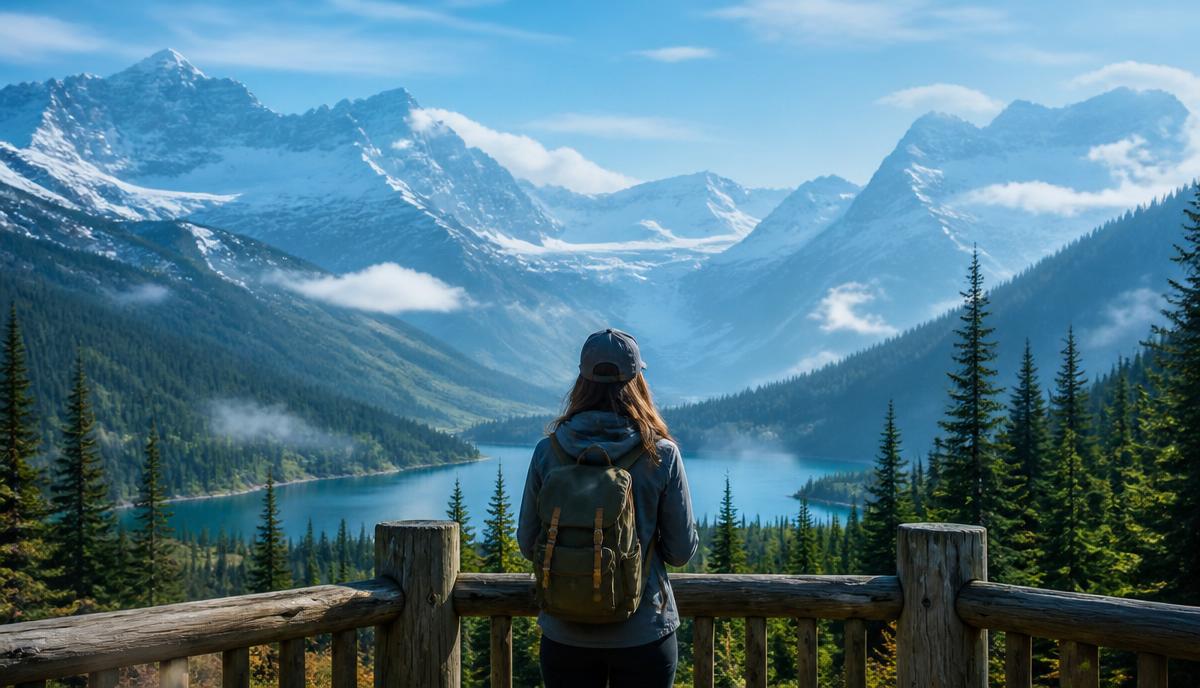
What is Slow Travel? A Practical Guide to Traveling Better
Slow travel is not about going slowly. It is about going deeply, fewer places, longer stays, and the kind of attention that turns a trip into a memory.
Field Notes · 7 min read
Most people learn to travel the same way they learn to work: faster, fuller, more. Five cities in seven days. A photo at every landmark. A list crossed off, a flight home, a vague exhaustion that takes a week to shake.
Slow travel is the quiet rebellion against that. It is the choice to do less and notice more.
What is Slow Travel?
Slow travel is an approach to travel that values depth over distance. Instead of racing through a region, you settle into one place long enough to learn its rhythm, the morning bakery, the bus that is always late, the neighbor who waves on the second day and invites you in by the fifth.
It is less a set of rules and more a posture. Fewer destinations. Longer stays. Local transport when it makes sense. Local food, almost always. A willingness to be a little bored, which is where the interesting moments tend to hide.
Slow travel is not about going slowly. It is about going deeply.
Slow Travel vs Traditional Tourism
Traditional tourism is built around the highlight reel. You arrive, you see the famous thing, you photograph it, you leave. The itinerary is the product. The destination is interchangeable, what matters is that the boxes get checked.
Slow travel inverts the priorities:
- One country or one region instead of a multi-country sprint.
- Weeks in a place rather than days.
- Apartments and small guesthouses rather than chain hotels.
- Markets and neighborhood restaurants rather than the famous ones with the line.
- Walking, trains, and local buses rather than constant flights.
- Conversations with locals rather than a guided tour every morning.
The trade is real. You will see fewer famous sights. You will also remember more of what you did see.
Why Slow Travel is Worth It
There is the obvious environmental case, fewer flights, lower footprint, and the economic case, more of your money stays in the community you are visiting. Both matter. But the personal case is what tends to convert people.
Slow travel is restful. You unpack once. You are not in an airport every three days. You stop optimizing and start living, for a little while, somewhere new.
It is also where the stories come from. Nobody comes home from a packed bus tour with a story about the family who invited them to lunch. That happens on day eight, in a small town, when you have started to feel like a person rather than a visitor.
How to Start Slow Traveling
You do not need a sabbatical. A few small shifts are enough to change the texture of any trip:
- Cut your itinerary in half. Whatever you planned, do less of it.
- Pick one base and take day trips from there, rather than moving every night.
- Stay at least four nights anywhere you bother going to. A week is better.
- Walk one neighborhood until you know it. Find a cafe. Go back the next day.
- Eat where the locals eat, even, especially, when the menu is not in English.
- Leave space on the calendar. The best parts of slow travel are unplanned.
A trip is not better because you saw more of it. A trip is better because more of it stayed with you.
A Starting Point, Not a Rulebook
Slow travel is not a competition, and it is not a moral high ground. Some trips have to be fast, a long weekend, a layover, a wedding on the other side of the world. Those still count. The point is not to be precious about it.
The point is to notice that speed has a cost. And that on most trips, most of the time, slowing down is the upgrade.
If this is the kind of travel that interests you, the rest of this journal is built the same way. One country at a time, with the time it takes to see it properly.
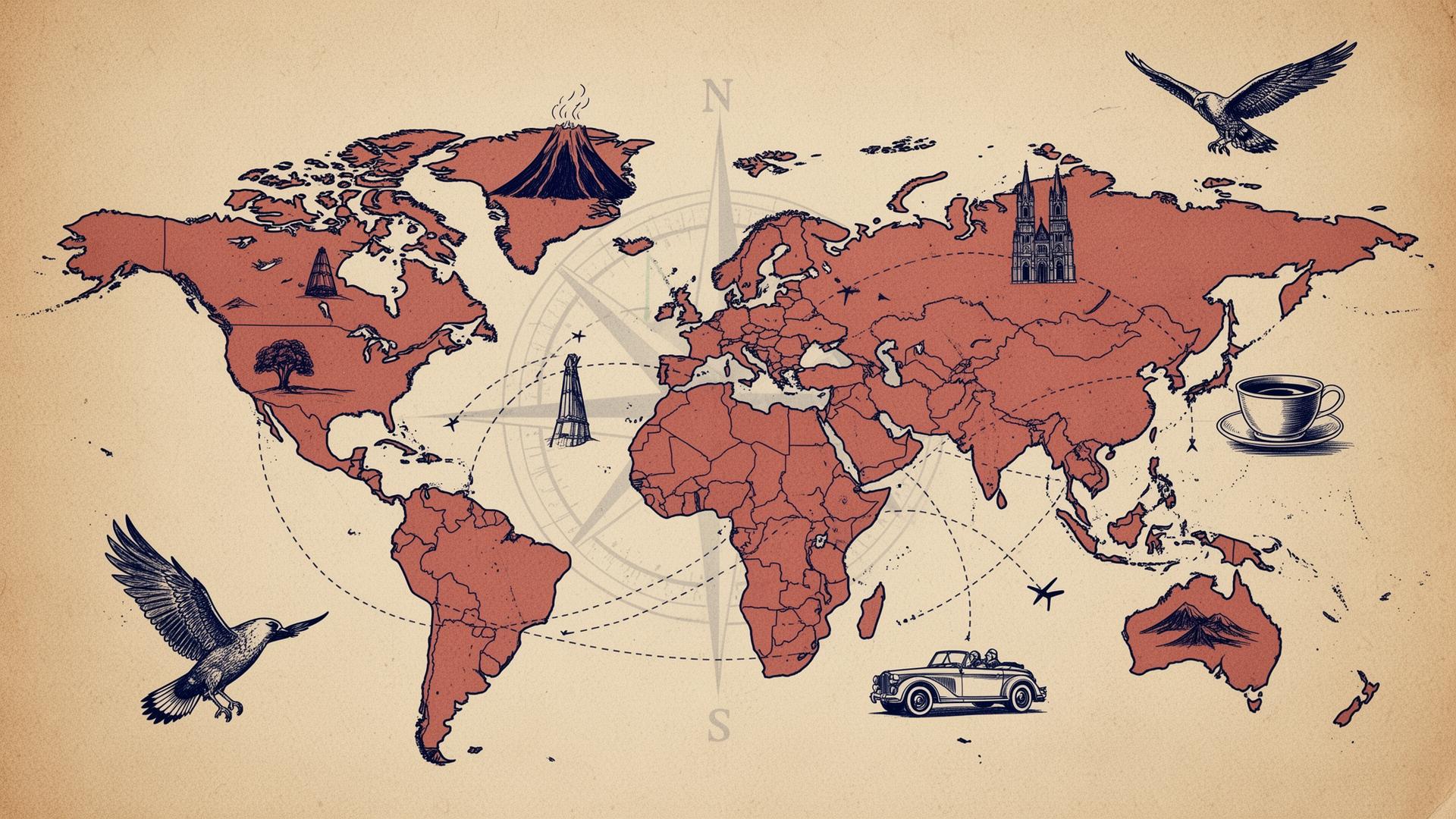
If you want the full philosophy behind how I plan and travel, start here.
Read the manifesto
A layover does not count. A passport stamp does not count. A country counts when you leave the airport, meet the people, taste the food, and come away with a story.