The Global Gut: A Traveler's Field Guide to "Bali Belly," "Montezuma's Revenge," and Other International "Incidents"
Every traveler eventually learns a hard truth: the world is full of beauty, culture, and bathrooms you will remember with the emotional clarity of a near-death experience.
Field Notes · 7 min read
Every traveler eventually learns a hard truth: the world is full of beauty, culture, ancient history, local markets, unforgettable meals… and bathrooms you will remember with the emotional clarity of a near-death experience.
Traveler's diarrhea is not glamorous. Nobody puts it on the itinerary. No one says, "Day three: private food tour, sunset drinks, and then a spiritual reckoning with the plumbing." And yet, for many travelers, it becomes an unforgettable chapter of the story.
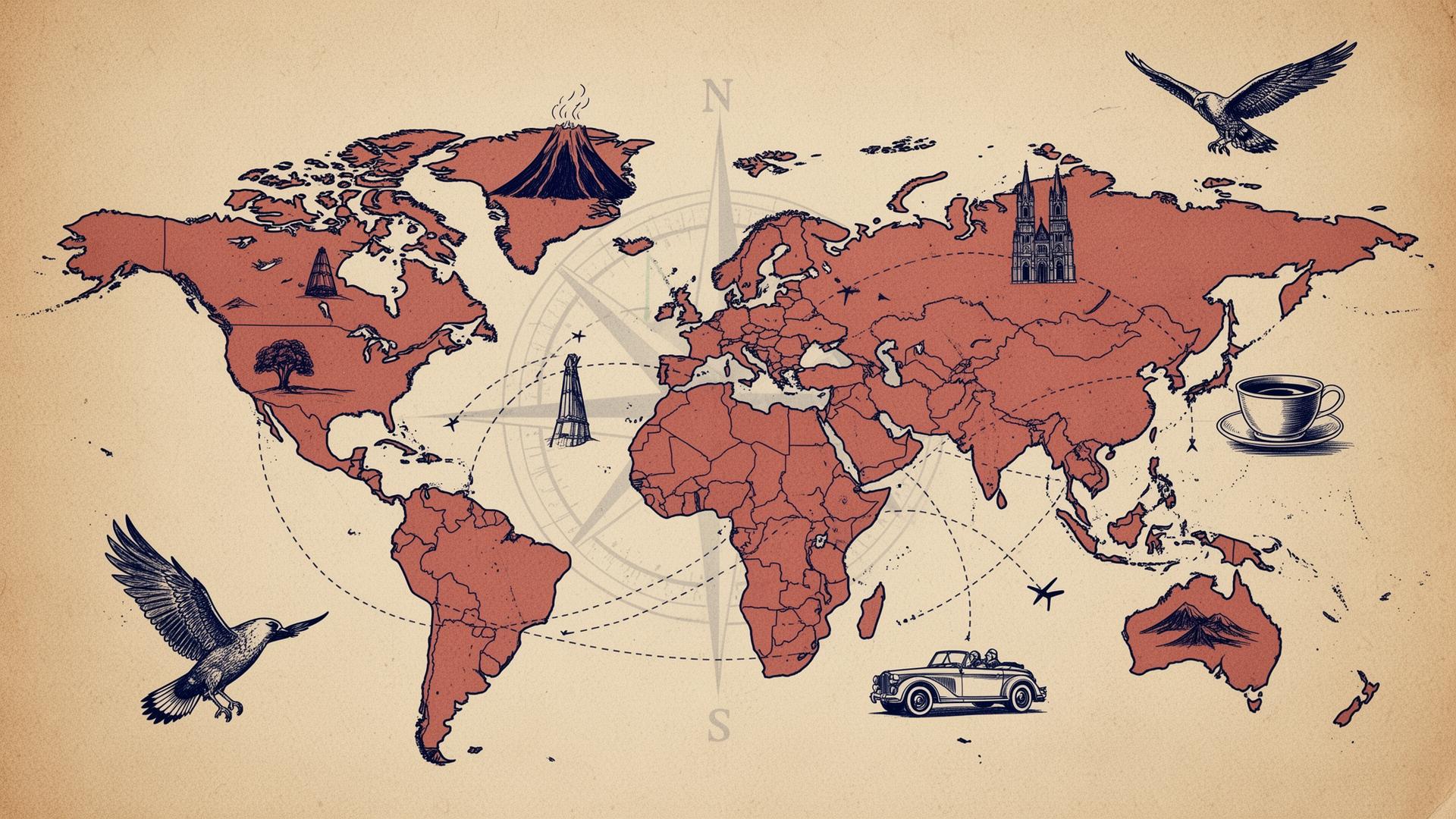
The Nickname Hall of Fame
Depending on where you are in the world, this specific brand of biological drama goes by many colorful localized names:
| Nickname | Common Association |
|---|---|
| Bali Belly | Indonesia / Southeast Asia |
| Delhi Belly | India / South Asia |
| Montezuma's Revenge | Mexico / Central America |
| Pharaoh's Revenge | Egypt / North Africa |
| Mummy Tummy | Egypt / North Africa |
| Turkey Trot | Turkey / general travel joke |
| Kathmandu Quickstep | Nepal / Himalaya travel humor |
| Aztec Two-Step | Mexico / Central America |
| The Porcelain Pilgrimage | When the hotel bathroom becomes a holy site |
| International Incident | When your stomach files a formal diplomatic complaint |
Why It Happens
The science is simple: traveler's diarrhea usually comes from eating or drinking something your body is not used to, often contaminated with bacteria, viruses, or parasites. The CDC notes that fluid and electrolyte replacement is one of the most important parts of treatment, especially because diarrhea causes fluid loss.
The cruel, unfair part is that the meal that causes it is often spectacular. It's the street taco that changes your life, the fresh tropical fruit, the artisanal ice, or the salad rinsed in municipal tap water. This is how empires fall.
The Prevention Game
I am not a "never eat street food" traveler. That feels like going to Paris and refusing bread because flour has a past. Food is one of the best ways to understand a country. But there is a difference between adventurous and reckless.
My basic preventative guidelines are:
- Eat where there is turnover: Busy street food stalls are usually safer than lonely, empty ones because the food is being cooked constantly and doesn't sit out.
- Watch the water: In places where tap water may be unsafe for visitors, use bottled or properly filtered water for drinking and even brushing your teeth.
- Be careful with ice: Ice is just water wearing a tuxedo. If the water source is questionable, skip the ice.
- Peel it, cook it, or skip it: Fresh fruit is safest when you peel it yourself. Raw vegetables can be risky if washed in local municipal water.
- Pack like your stomach has a legal team: Bring electrolyte packets, stomach meds, ibuprofen, antacids, and doctor-approved prescriptions.
What to Do When It Hits
First: hydrate. This is not the time to prove toughness. You are not losing a duel; you are losing electrolytes. Water helps, but oral rehydration solutions or electrolyte powders are much better. Clear soups, broths, and bland foods are your best friends: think rice, bananas, toast, and crackers, anything that does not look like it was designed by a chili pepper with anger issues.
Over-the-counter medications can be useful, but use judgment. Anti-motility medicines may help in mild cases, but they are not a magic wand, and they are not always appropriate. Mayo Clinic advises seeking medical care for warning signs like ongoing vomiting, high fever, bloody stools, severe dehydration, or unusual drowsiness.
The Doctor-Approved Backup Plan
For certain remote destinations, some travelers ask their doctor in advance about carrying a standby antibiotic, such as azithromycin, for severe cases. This is not something to freestyle. It depends on your health history and destination, but having a medically approved plan before you need it is incredibly reassuring.
The Five Emotional Stages
- 1. Denial: 'I'm sure it's just the exotic spices.'
- 2. Concern: 'That was definitely not just the spices.'
- 3. Negotiation: 'If I make it back to the hotel room, I will become a better person.'
- 4. Acceptance: 'Cancel the morning walking tour. This is my home now.'
- 5. Recovery: 'Honestly, that street food was still worth it.'
The Enlightening Part
Here is the serious truth hiding under the bathroom humor: traveler's diarrhea reminds you that travel is not just seeing the world. It is adapting to it. Different water, different spices, different immune exposures. The local population may be perfectly fine because their bodies are accustomed to the environment, while your digestive system arrives like a fragile ambassador with paperwork and concerns.
That does not mean you should travel scared. It means you should travel prepared. Eat boldly, but intelligently, and never trust a fart on an international itinerary.
Medical Disclaimer
I am an adventurous traveler, not a medical professional. The information in this field guide is for educational, informational, and entertainment purposes only and should never be used as a substitute for professional medical advice, diagnosis, or treatment. Always consult with a qualified doctor or healthcare provider regarding any health-related questions, dietary changes, or travel-specific medical plans.