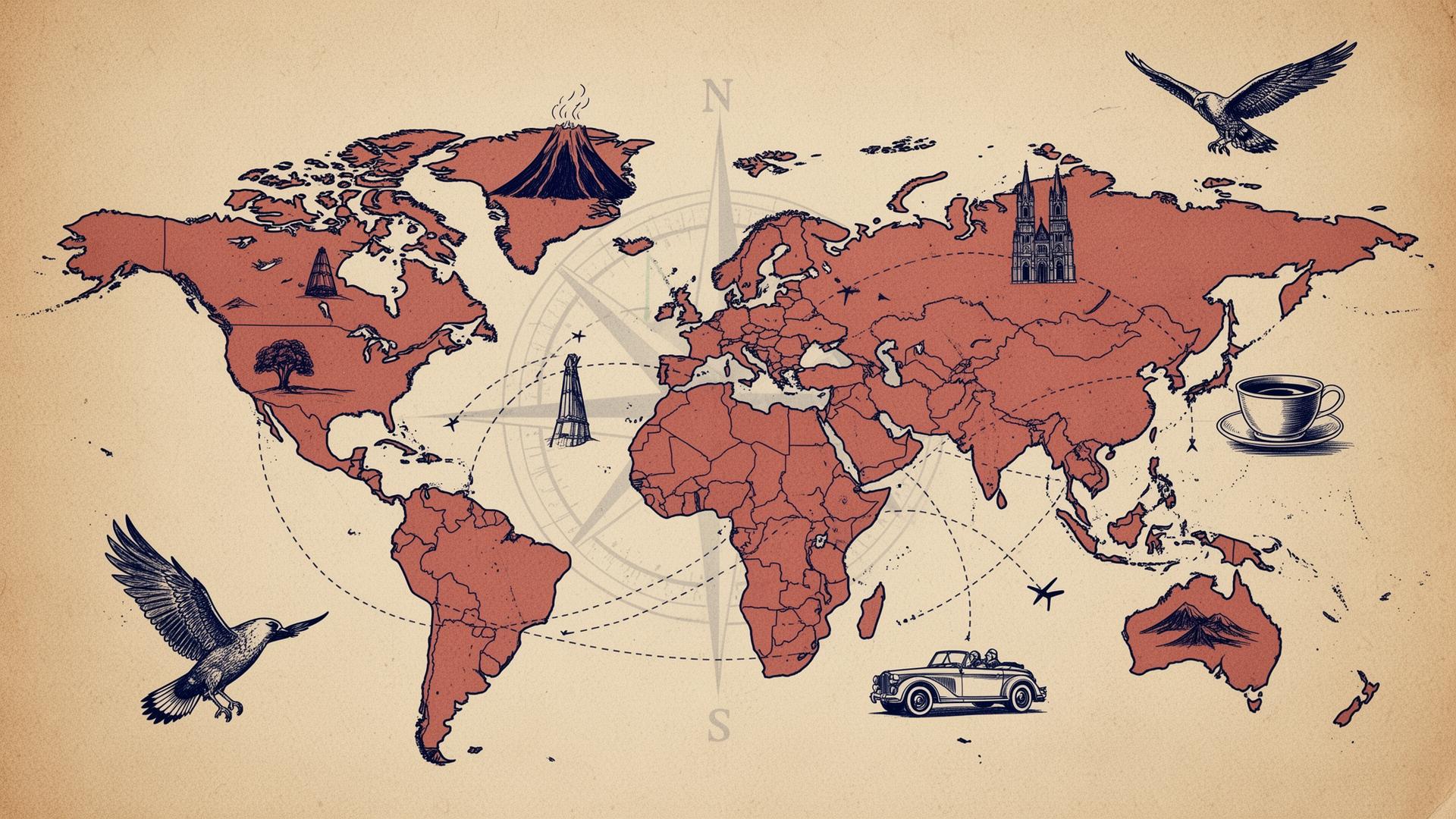
The World, One Sip at a Time
I am not a mixologist. I am barely a competent home bartender. But I am a deeply enthusiastic field researcher, and the world has handed me a very long tasting menu.
Field Notes · 4 min read
Order what the locals order. Sip slowly. Ask what is in it. And remember that the second one is always more dangerous than the first. - Scott Barlow
I am not a mixologist. I cannot rattle off the difference between an Old Fashioned and a Sazerac without quietly checking my phone under the bar. But I do believe that every country has a signature pour, and trying it is one of the more delightful, occasionally regrettable, ways to understand where you are. Food tells you what a country grows. Drinks tell you what a country survived.
The rules I travel by are simple. One: try the national drink at least once. Two: do not start with the strongest thing on the menu, no matter how charming the bartender is. Three: respect the local pour. If a 70-year-old grandmother in a village hands you something cloudy in a coconut shell, you drink it, you smile, and you ask what is in it after, not before.
In Peru, the answer is the pisco sour. Pisco is a grape brandy with strong opinions, and the cocktail itself is a small marvel: pisco, lime, simple syrup, egg white, and a couple of dashes of bitters floated on the foam like punctuation. The first sip is bright. The second is dangerous. The third is how you end up agreeing to a 5 a.m. hike to Machu Picchu.
In Fiji, the drink is kava, and calling it a drink is generous. Kava is a muddy, earthy infusion made from a pepper plant root, served in a coconut shell, and consumed with a small ceremony that involves clapping and saying 'bula.' It tastes the way a forest floor smells, your mouth goes pleasantly numb, and the whole thing is less about flavor and more about being welcomed. Of all the things I have sipped on the road, kava was the one that felt least like a beverage and most like a handshake.
Italy hands you limoncello, usually after dinner, usually without warning, and usually in a glass small enough to lull you into a false sense of security. Made from Sorrento lemons steeped in neutral spirit, it is bright, syrupy, and aggressively yellow. It is also the only digestif I have ever had that doubles as a personality test. People who love limoncello are fun. People who refuse limoncello have something to hide.
Cuba is mojitos and daiquiris, both invented or perfected on the island, both built around rum, lime, and sugar, and both responsible for more sunburns than any travel insurance policy will admit. In Havana, the mojito is a working drink. It is not a cocktail. It is hydration with a personality.
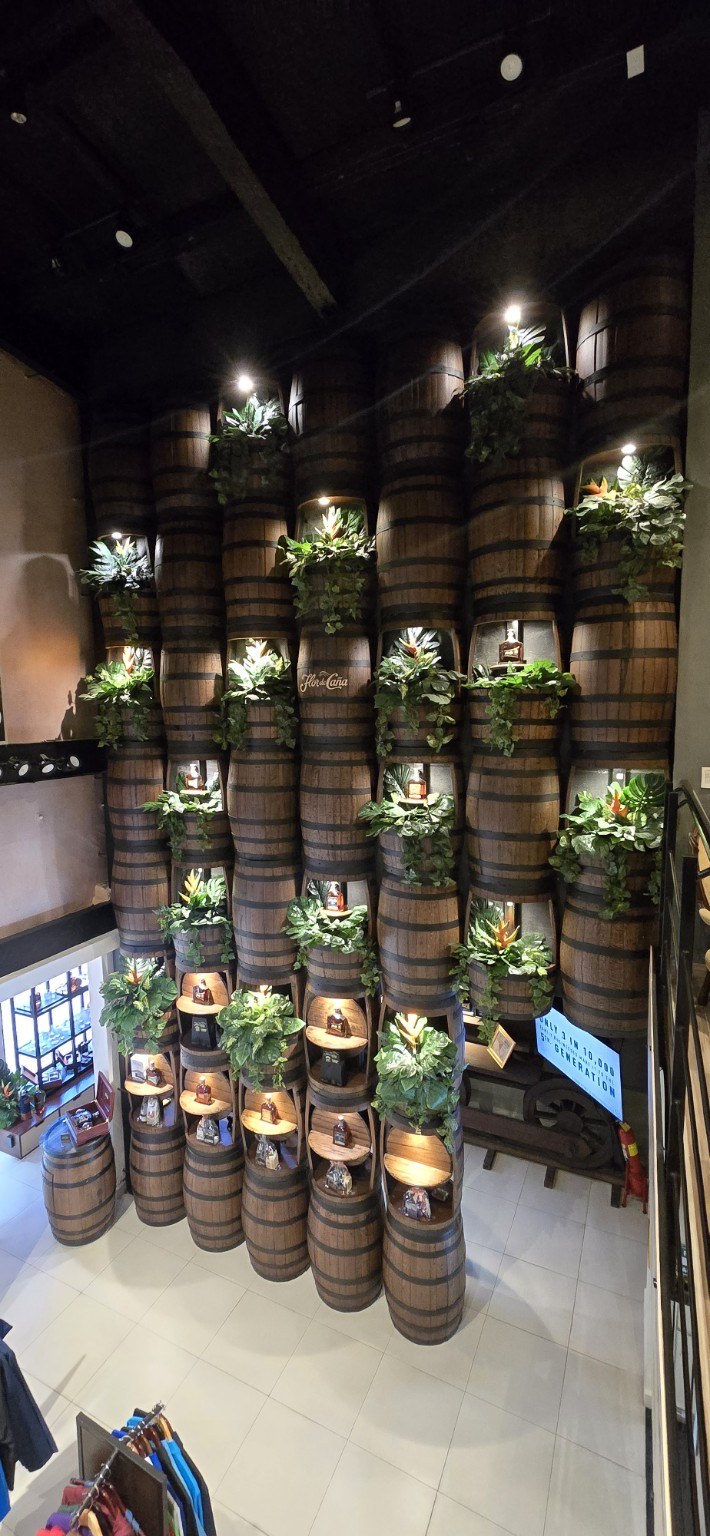
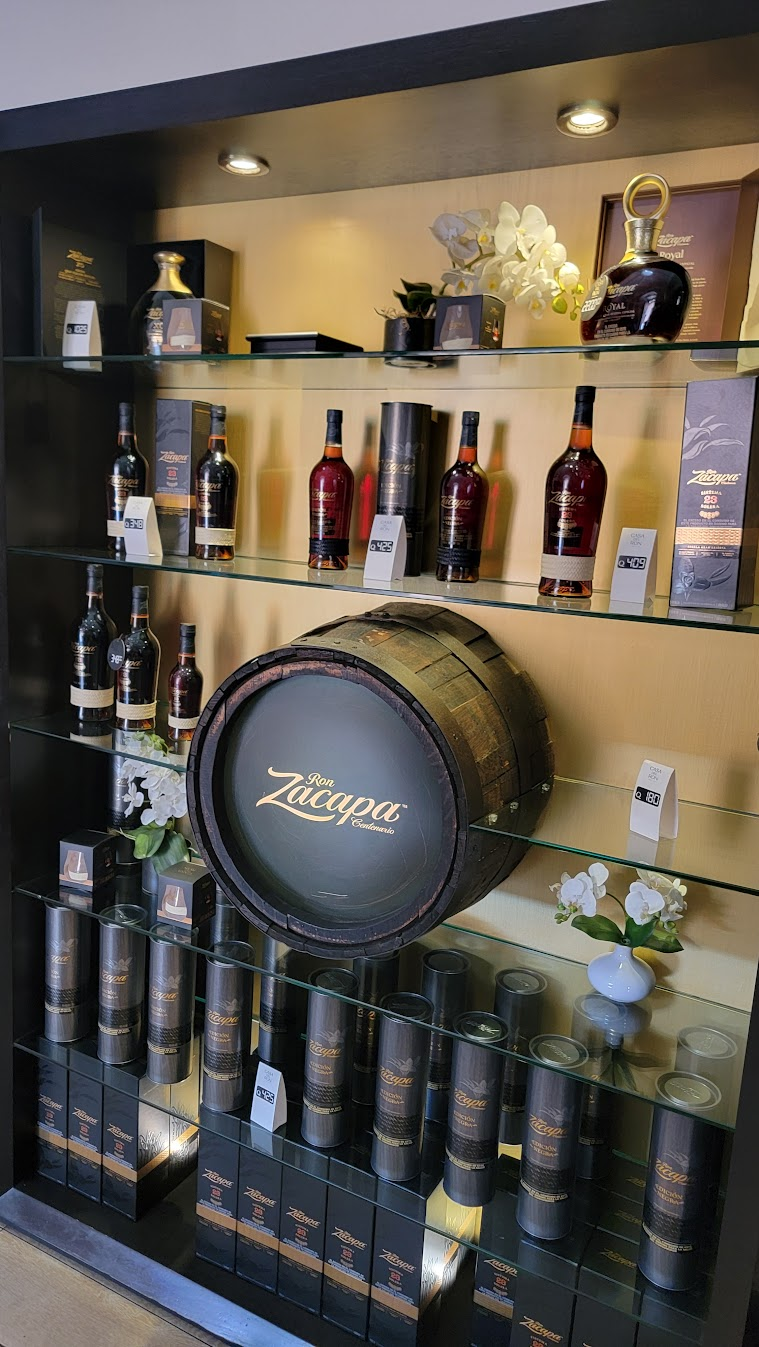
Nicaragua is Flor de Caña, a rum so smooth it could probably negotiate trade deals. The aged versions, neat, are one of the great underrated experiences in Central America. The country drinks it with quiet pride, and after a few visits I started to understand why.
Mexico, predictably, is tequila and mezcal. Tequila gets the headlines, mezcal gets the cult following. The difference, simplified: tequila is from blue agave, mezcal can be from many agave varieties and almost always tastes like a campfire had a child with a citrus grove. A good sipping mezcal is one of the most distinctive drinks on earth. A bad shot of tequila is how Tuesdays become Wednesdays.
Brazil is the caipirinha: cachaça, lime, sugar, ice, and the cheerful disregard for measurement that makes it work. Cachaça is sugarcane spirit with attitude. The drink is built table-side, muddled with enthusiasm, and somehow becomes lethal at exactly the moment you have decided you have a high tolerance.
Argentina is wine country, specifically Malbec, and a good Mendoza pour with a properly grilled asado is one of those simple pleasures that makes you wonder why you ever order anything else. Argentina also has Fernet and Coke, which sounds wrong on paper, tastes like medicine on first sip, and somehow becomes the most consumed mixed drink in the country.
Japan is a study in restraint. The Japanese highball, whisky and soda over a perfectly clear ice cube, is the calmest cocktail in the world. Bartenders in Tokyo will spend more time on your ice than American bars spend on your entire drink. There is also sake, which I respect but rarely understand, and shochu, which is the unsung hero of the menu.
Greece is ouzo, which arrives clear and turns cloudy white the moment water touches it, like a small magic trick to remind you that anise is in charge tonight. It is licorice-forward, divisive, and best enjoyed with mezze, the Aegean, and absolutely no plans for the afternoon.
Ireland is Guinness, which is technically beer but spiritually a meal, and Irish whiskey, which is smoother than Scotch and more forgiving than bourbon. A pint of Guinness in Dublin tastes different than a pint of Guinness anywhere else. I have tried to explain this to people. I have failed. You just have to go.
Scotland is Scotch, and Scotch is a rabbit hole. Speyside, Highland, Islay, Lowland, each region tastes like a different argument. Islay malts taste like a bonfire on a beach, which sounds unappealing on paper and is wonderful in practice. The UK overall taught me to slow down with brown spirits, sip neat, and stop adding ice to things older than I am.
Spain is sangria for tourists, vermouth for locals, and a properly poured gin and tonic that turns a simple drink into a small ceremony involving a giant balloon glass, slow pours, fancy ice, and a garnish that takes itself very seriously. Spain understands aperitivo time better than almost anyone.
Hungary is pálinka, a fruit brandy that locals will offer you at any hour, with full eye contact, knowing exactly what they are doing. Refusing is rude. Accepting is a commitment. Apricot is the gateway. Plum is where things get interesting.
Estonia is Vana Tallinn, a dark, sweet, rum-based liqueur with hints of vanilla and citrus, which sounds like dessert and acts like a strategic ambush. It also goes shockingly well in coffee on a cold Baltic afternoon.
Croatia is rakija, the regional fruit brandy that every grandmother insists is medicinal, every uncle insists is homemade, and every visitor underestimates exactly once.
Germany is beer first, no apologies, with a regional pride that turns every pour into a small geography lesson. But the country also gave the world Jägermeister, which back home is a frat house cliché and in Germany is a respectable after-dinner digestif. Context is everything.
St. Kitts & Nevis is rum, specifically Brinley Gold, which makes a coffee rum that has no business being as good as it is. The Caribbean in general is rum country, and every island has its house pour. Aruba added a footnote to my notebook with the now legendary scorpion shot at Lucy's, a drink that is less a beverage and more a small legal waiver with lime.
Russia is vodka, served cold, neat, with food, and absolutely not the way most Americans drink it. In Moscow and St. Petersburg, vodka is meant to be paired, sipped, and respected, not weaponized against your liver at a college party. The first time someone walked me through a proper vodka tasting with pickled vegetables and dark bread, I genuinely apologized to the spirit on behalf of my twenties.
South Korea is soju, the slightly sweet, very drinkable rice or grain spirit that locals order in green bottles and pour with both hands as a sign of respect. It is the most consumed spirit in the world by volume. It is also the reason karaoke exists.
Singapore gave the world the Singapore Sling, originally invented at the Long Bar at Raffles, which is now a tourist pilgrimage, a fruity gin cocktail, and a small lesson in how a hotel bar can become a national symbol. You order it once. You take the photo. You move on with your life.
Thailand is Singha and Chang beer at sunset, and a surprisingly serious cocktail scene in Bangkok that uses local ingredients like makrut lime, lemongrass, tamarind, and Thai basil in ways that make you reconsider every drink you have ever ordered back home.
Vietnam is bia hơi, the fresh, cheap, low-alcohol draft beer served on tiny plastic stools on Hanoi street corners, where strangers become friends in about eight minutes. There is also rượu, the local rice wine, which occasionally arrives in bottles containing things that were once alive. I am not telling you what to do. I am simply noting the menu.
Iceland is Brennivín, an unsweetened, caraway-flavored schnapps known affectionately as 'Black Death,' traditionally served as a chaser to a cube of hákarl, the fermented shark I have written about elsewhere. The shark is the punchline. The Brennivín is the apology.
Egypt and Qatar, as Muslim-majority countries, are a useful reminder that not every country is built around a national drink, and that some of the most memorable beverages on the road are non-alcoholic. Sweet mint tea in Doha, fresh sugarcane juice in Cairo, cardamom coffee poured from a long-spouted dallah. Those count too. They count more than they get credit for.
Rum earns its own wall. Every bottle here came home with a story, and every photo is tagged with the distillery, brand, or spot where the pour happened. Tap any image to jump straight to that rum's history in A Love Letter to Rum.
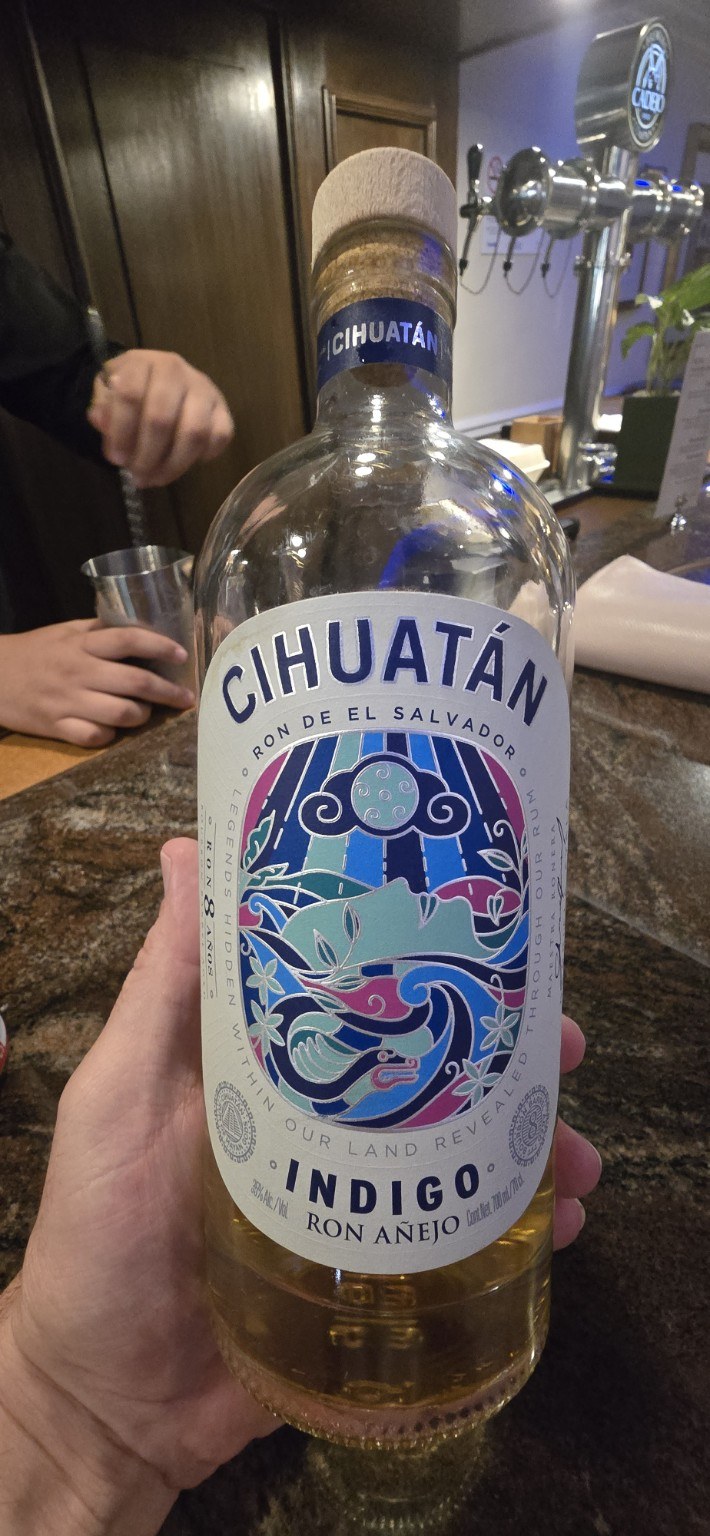
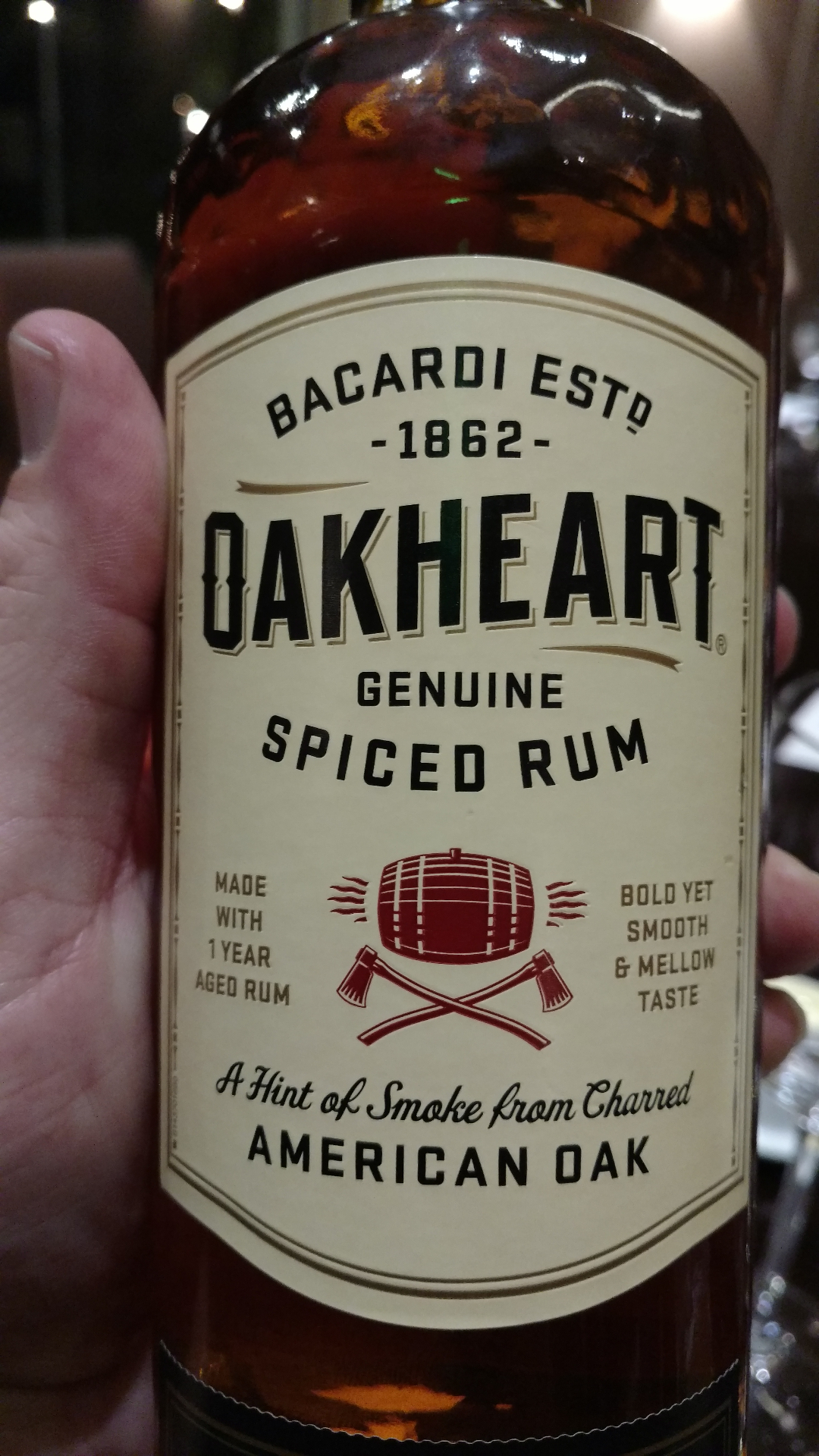
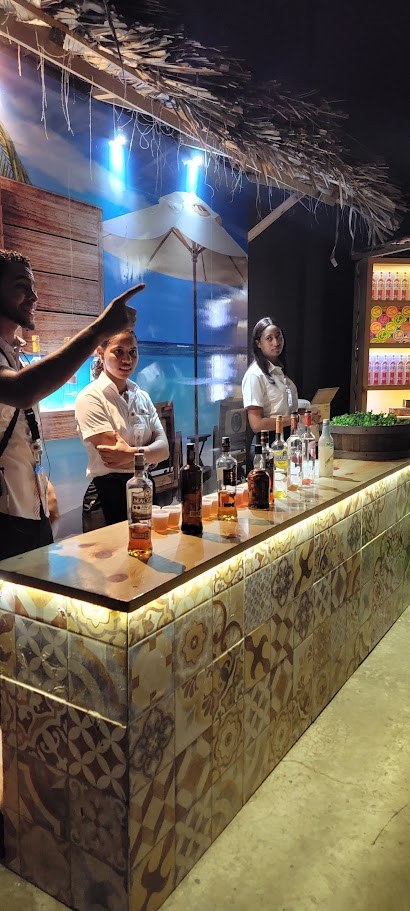
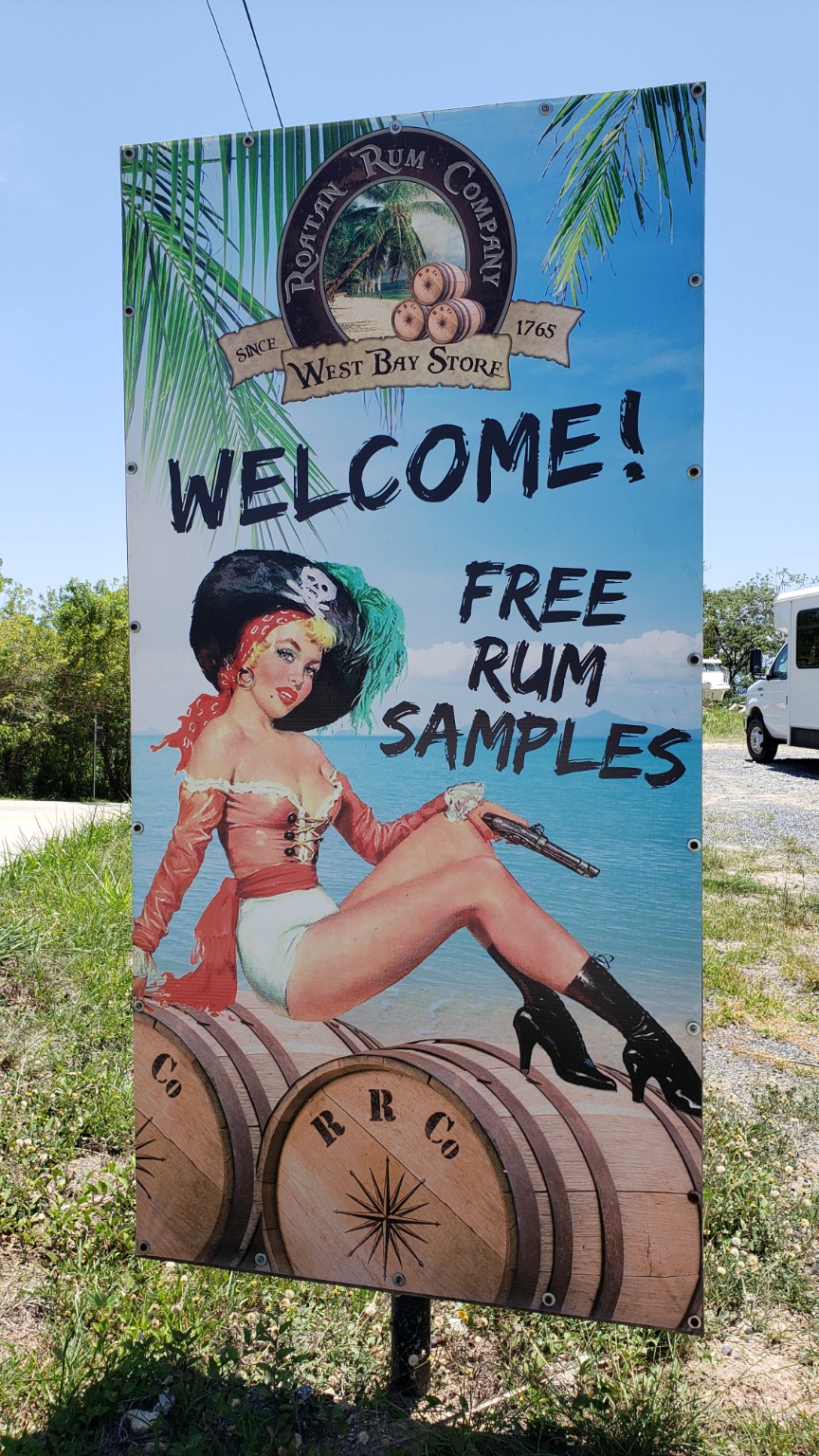
- Peru: Pisco sour
- Fiji: Kava
- Italy: Limoncello
- Cuba: Mojito and daiquiri (rum)
- Nicaragua: Flor de Caña rum
- Mexico: Tequila and mezcal
- Brazil: Caipirinha (cachaça)
- Argentina: Malbec and Fernet con Coca
- Japan: Japanese highball, sake, shochu
- Greece: Ouzo
- Ireland: Guinness and Irish whiskey
- United Kingdom / Scotland: Scotch whisky
- Spain: Vermut and the Spanish gin tonic
- Hungary: Pálinka
- Estonia: Vana Tallinn
- Croatia: Rakija
- Germany: Beer and Jägermeister
- St. Kitts & Nevis / Caribbean: Brinley Gold rum
- Aruba: The scorpion shot at Lucy's (proceed with caution)
- Russia: Vodka, neat, with food
- South Korea: Soju
- Singapore: Singapore Sling
- Thailand: Singha and craft Thai cocktails
- Vietnam: Bia hơi and rượu
- Iceland: Brennivín (Black Death)
- Qatar and Egypt: Mint tea, sugarcane juice, cardamom coffee
Looking back, the drinks tell me almost as much as the food does. A national pour is part agriculture, part history, part climate, and part stubbornness. It tells you what grows, what survived a war, what a colonial power left behind, what a grandmother insisted on, and what a bartender is quietly proud of. The world is full of stories you can sip, and I plan to keep field-testing them, slowly, responsibly, one extremely small glass at a time.