Kenya: Rain, Lions, Balloons, and the Wild Logic of the Maasai Mara
Hemingways Nairobi, a bush plane to the Mara, a hot-air balloon over predator country, a fresh kill, a Maasai community visit, and a border crossing into Tanzania that absolutely counts.
November 2022 · 12 min read
Kenya in November 2022 was one of those trips that felt cinematic before the first game drive even started. It began with the polish of Hemingways Nairobi, shifted quickly into the adventure of a bush plane, and then opened into the vast, living theater of the Maasai Mara.
I flew into the Mara with AirKenya and stayed at what was technically a glamping resort, though calling it camping feels like calling a private jet a metal tube with wings. This was a five-star lodge experience wrapped in canvas, wilderness, and the constant awareness that the animals were not decorations. They were the main characters, and we were very lucky extras.
When I arrived, the Mara had been dry. The plains looked stretched and thirsty, and we could see the great movement of zebra and wildebeest heading south toward Tanzania and the Serengeti. Then it poured on my first night. I was bummed. Rain on safari felt like bad luck. The guides smiled and said, in effect: wait. This is good. They were right. By the next day, the landscape had changed its mind. The animals came back in waves. It felt less like sightseeing and more like being dropped into the operating system of nature.
Hemingways was the perfect soft landing: calm, refined, and just civilized enough to make the contrast with the Mara even more dramatic. Then came the bush plane. There is something wonderfully clarifying about boarding a small aircraft bound for a dirt strip in the middle of one of the world's great wildlife ecosystems. You do not feel like you are commuting. You feel like you are entering a different set of rules.
The Maasai Mara is the Kenyan side of the greater Mara-Serengeti ecosystem, one of the most important wildlife landscapes on Earth. The Mara Triangle, where much of my experience unfolded, sits in the western portion of the reserve near the Tanzania border. It has open savanna, riverine forest, escarpments, grassland, and the kind of sky that makes every photo look like it is auditioning for a nature documentary.
The geography matters. The animals are not randomly wandering around a postcard. They are responding to grass, rain, predators, rivers, shade, instinct, and generations of learned migration patterns. When the rains returned, so did the food. When the food returned, the grazers returned. And when the grazers returned, the predators had a very busy calendar.
Before the rain, we could see zebra and wildebeest pushing south toward Tanzania. It was easy to understand why: the dry conditions were forcing the herds to follow better grazing. Then the rain hit. The guides knew what I did not yet understand: in the Mara, rain is not an inconvenience; it is an announcement.
Almost overnight, the plains seemed to refill. Zebra appeared everywhere, wildebeest returned in numbers, and the whole ecosystem became louder, greener, and more alive. The phrase 'great migration' can sound like a tidy tourism label, but from the ground it feels more like a continent breathing.
A safari always comes with the idea of the Big Five: lion, leopard, elephant, rhinoceros, and African buffalo. The phrase originally came from the difficulty and danger of hunting them on foot, but modern safari culture has reclaimed it as a wildlife-viewing milestone. I saw the big headline animals, but what surprised me was how much the supporting cast mattered too.
Lions were the raw power of the trip. Seeing lionesses at a fresh kill was unforgettable in the most literal sense. The leopard was a different kind of magic: secretive, muscular, perfectly camouflaged, and somehow even more impressive because it looked completely at home in a tree. Elephants brought scale and calm. Giraffes brought elegance and comic timing. Hippos lurked in the river, deceptively quiet and absolutely not to be underestimated.
There is no way to make a fresh kill feel casual. You can understand the science, the food chain, the predator-prey dynamics, and still feel the emotional weight of it. The lionesses were doing exactly what lions do. The scene was graphic, efficient, and strangely quiet. It reminded me that safari is not simply about seeing beautiful animals, it is about seeing relationships: hunger and survival, rain and grass, herd movement and predator strategy. The Mara is beautiful, but it is not soft. That is part of what makes it honest.
The hot-air balloon safari was one of the great highlights of the trip. I signed the waiver, climbed into the basket, and suddenly the Mara was no longer something I was driving through. It was something I was floating above. From the air, the ecosystem made more sense. The river curved through the landscape. Forested corridors stitched together the open plains. Other balloons drifted in the distance, glowing against the morning. The certificate afterward was a nice touch, it is not every day you get paperwork confirming that you voluntarily levitated over lions before breakfast.
The visit to a Maasai community in Narok County added an important human dimension to the journey. The Maasai are one of East Africa's most recognizable pastoralist cultures, known for their traditions, beadwork, distinctive dress, and deep relationship with cattle and land. Done well, a visit becomes a chance to listen, learn, and understand that the Mara is not only a wildlife destination. It is also a lived landscape, shaped by people, history, livelihoods, conservation pressures, tourism, and tradition.
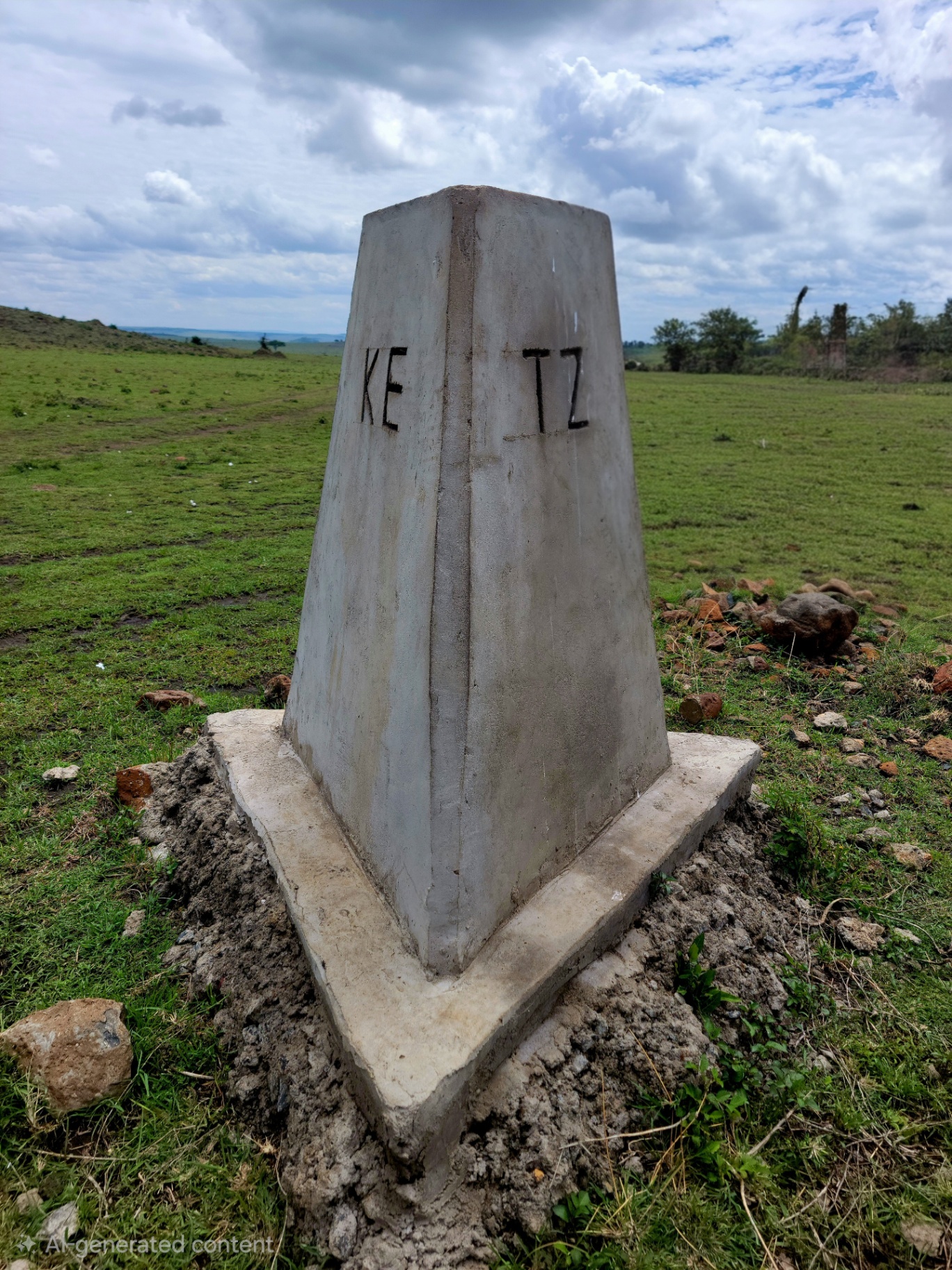
I also crossed into Tanzania at the border marker, had lunch and drinks, and stepped right into a mine field of elephant dung—which, if I am being optimistic, would eventually become a nice coprolite specimen. By my travel rules, that counts: feet on the ground alone does not make a country, but exploration, food, drink, conversation, and a little biological evidence on your shoe? Absolutely. Tanzania joined the list.
The border is more than a concrete marker. It separates Kenya's Maasai Mara from Tanzania's Serengeti, but the wildlife does not care much about our lines on a map. The animals move through the larger Mara-Serengeti ecosystem following rain, grass, rivers, and survival. The crossing made the geography tangible: one ecosystem, two countries, endless movement.
I traveled with Micato Safaris and highly recommend them. In a place like the Mara, the guide is not just a driver. The guide is translator, naturalist, logistics expert, safety officer, storyteller, and sometimes therapist when you are staring at rain clouds wondering whether your dream safari is about to become a very expensive weather report. The best guides understand behavior, they read tracks, weather, grass, animal posture, and the movements of other vehicles without making the experience feel crowded. Most importantly, they know when to wait. That was the lesson of the rain. I saw disappointment; they saw opportunity. The animals proved them right.
Kenya was not just a bucket-list safari. It was a reminder that nature works on systems, not schedules. I arrived during dry conditions, watched the migration shifting south, got rained on, and then saw the entire Mara respond like someone had flipped a switch. The Mara does not perform on command. It responds to rain, hunger, instinct, and time. That is what made the trip incredible, not that everything went according to plan, but that the plan got out of the way.
- Best surprise: rain. I thought it was bad news; it became the reset button for the entire ecosystem.
- Best logistics move: flying AirKenya into the Mara. The bush plane makes the trip feel remote immediately.
- Most cinematic moment: hot-air ballooning over the Mara River at sunrise.
- Most humbling moment: watching lions at a fresh kill and remembering that safari is not staged.
- Guide recommendation: Micato Safaris, highly recommended based on this experience.
- Country-counting ruling: Tanzania counts, border crossing, lunch, drinks, Serengeti context, and landing in a mine field of elephant dung that's well on its way to becoming a nice coprolite specimen.
The Mara does not perform on command. It responds to rain, hunger, instinct, and time.
 Tanzania
Continue the story across the line
Tanzania: Stepping Across the Mara-Serengeti Border
A short crossing from the Maasai Mara into Tanzania at the Serengeti border, lunch and drinks in the savanna, and the country-counting clause that earned Tanzania a spot on the list.
Africa · Pin on the world map