Argentina: Big-City Drama, Gaucho Tradition, and Patagonia at the Edge of the Map
City, countryside, food, wine, horses, polo, mountains, and lakes. Argentina packed several countries' worth of experiences into one trip.
November 2023 · 10 min read
Argentina was one of those trips that refused to stay in one lane. It started with the energy of Buenos Aires, dramatic, stylish, loud in the best possible way, and then kept expanding: helicopter views over the city, a vintage car ride, a night at Faena, an estancia in Buenos Aires Province with riders, dancers, and polo, and finally Bariloche, where Argentina suddenly felt like the Alps had been dropped into Patagonia.
This was not a quick check the box country visit. This was a layered one. City, countryside, food, wine, horses, mountains, lakes, history, and just enough ridiculousness to make the memories stick.
Buenos Aires is already impressive from street level, but from above it becomes something else entirely. The long avenues, dense blocks, green corridors, and the wide sweep of the Río de la Plata make the city feel massive and organized at the same time. Flying over it by helicopter gave me a completely different appreciation for the scale of the place.
From the air, Buenos Aires looked less like a single city and more like a living map: neighborhoods stitched together by boulevards, monuments, traffic, parks, and the constant movement of a capital that never seems to fully slow down.
On the ground, Buenos Aires has a confidence that feels different from many other cities. The architecture is grand, sometimes European in feel, sometimes distinctly Latin American, and often both at once. There are elegant old buildings, broad plazas, monuments, churches, cafés, and neighborhoods where the city's history seems to sit right at eye level.
The vintage car ride added to that old-world feeling. It was part sightseeing, part time travel, and part why don't more cities have this kind of personality. Buenos Aires is a place where style does not feel like decoration. It feels like part of the culture.
A night at Faena Hotel Buenos Aires brought the theatrical side of the city into full focus. The performances had dancers, singers, dramatic lighting, and a cabaret-style energy that felt perfectly matched to the city. Buenos Aires does nightlife with confidence. It does not whisper, it walks into the room wearing red satin and expects applause.
And yes, I may have dressed for the occasion. The shirt was subtle in the same way a fire truck is subtle.
Outside the city, I visited an estancia in Buenos Aires Province that featured a polo club. The day brought together several pieces of Argentine tradition: riders showing incredible control on horseback, dancers in traditional clothing, open fields, a polo match, and the relaxed hospitality of the countryside. Polo is one of those sports that looks elegant from a distance, then becomes wildly impressive when you see the speed, balance, timing, and coordination required up close.
The estancia experience was the perfect counterweight to Buenos Aires. After the city's architecture, nightlife, and traffic, the countryside felt open and rooted. It gave the trip a broader sense of place, not just Argentina as a capital city, but Argentina as horses, land, performance, sport, and tradition.
Argentina also understands the value of a proper meal. The wine tasting was ambitious, judging by the number of glasses involved, and the steak was exactly the kind of experience one hopes for in Argentina: big, flavorful, and impossible to pretend was just a light dinner.
Food and drink are often where a place becomes personal. You can see the landmarks and still feel like a visitor, but sit down for steak, wine, conversation, and a view, and suddenly the country starts to feel less like a destination and more like a memory being built in real time.
Then came Bariloche, and the entire tone of the trip changed.
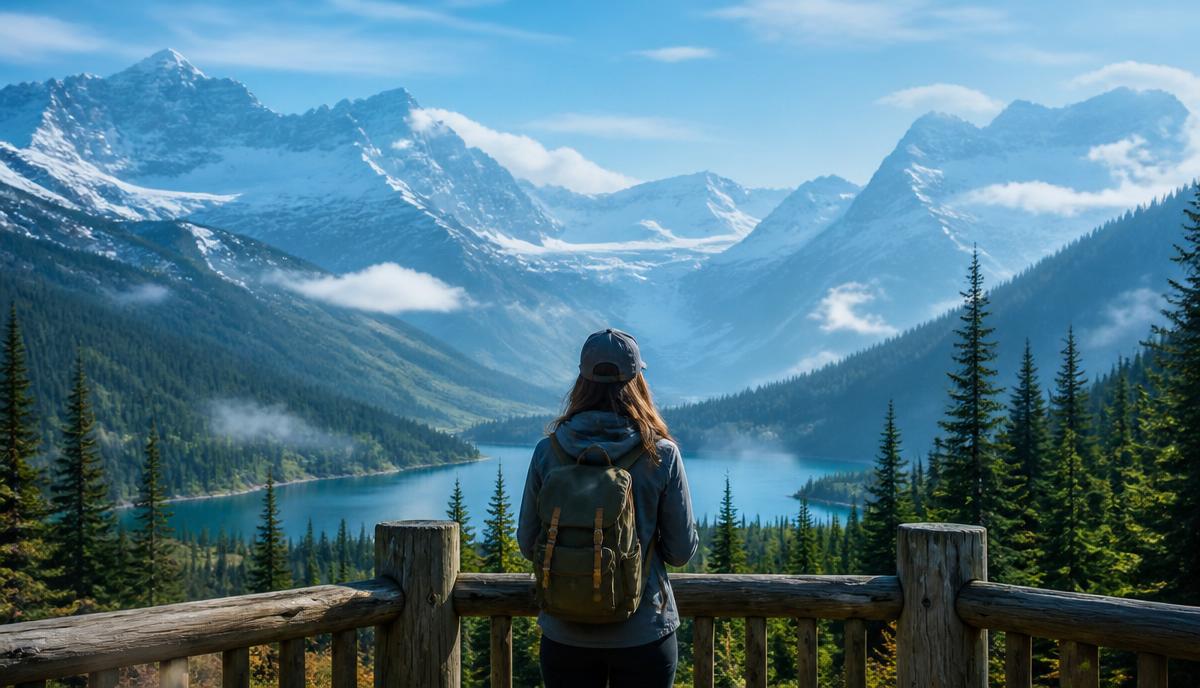
I stayed in a beautiful accommodation overlooking Lago Nahuel Huapi in Villa Llao Llao, inside Nahuel Huapi National Park, near Bariloche. The setting was extraordinary: blue water, deep green forests, snow-dusted mountains, stone and wood architecture, and a sense of quiet that felt far removed from Buenos Aires.
Bariloche is rich with history and has a distinct alpine feel, but what stood out most was the landscape. It is the kind of place where you keep looking out the window even when you are already standing in one of the most beautiful views you have ever seen. The lake, mountains, and weather seemed to change by the minute. Every angle had another layer.
There was also Patagonia Cervecería, which felt like a mandatory cultural stop for anyone who believes beer tastes better when served with a mountain view. For the record, it does.
What made this trip memorable was the contrast. Buenos Aires gave me scale, theater, food, style, and motion. The estancia brought horses, music, polo, and tradition. Bariloche delivered mountains, lakes, stillness, and that unmistakable Patagonian feeling of being close to something wild and old.
Argentina was not one experience. It was several countries' worth of experiences packed into one trip: a European-feeling capital, a deeply rooted countryside tradition, and a Patagonian lake district that looked like it belonged on a postcard designed by someone showing off.
Some trips are neat and tidy. Argentina was not. Argentina was big, dramatic, beautiful, delicious, and just a little over the top.